





Pre-Procedure Instructions for Hair, Eyebrow, and Beard Transplantation
Thank you for choosing Parsamehr Specialized Skin and Hair Clinic. The necessary pre-procedure instructions for hair, eyebrow, and beard transplantation are as follows:
Please read and follow the instructions below carefully.
«« Important Instructions Before Hair Transplantation»»
- For the required laboratory tests, please visit the laboratory one day before the scheduled transplant date or at 7:30 a.m. on the day of the procedure.
- If possible, please be fasting before the laboratory tests and have breakfast after the tests are completed.
- Make sure you have eaten breakfast on the morning of the procedure.
- Patients aged 50 and above must bring a letter from their cardiologist confirming that there is no medical contraindication to undergoing the transplant procedure.
- If you are taking any specific medications prescribed or monitored by a specialist, please inform the clinic so that you can receive appropriate instructions regarding their use in consultation with your specialist.
- If you are taking blood-thinning medications, such as aspirin, warfarin, clopidogrel, or similar medications, they must be discontinued under the supervision of a cardiologist or hematologist. Alternatively, you must provide a letter from your physician confirming that the procedure is permitted. These medications may be stopped approximately 10 days before the procedure only if approved by your physician.
- Please inform the clinic if you have any medical conditions, including heart disease, high blood pressure, respiratory conditions such as asthma or chronic bronchitis, diabetes, liver or kidney disease, a history of blood clots, bleeding disorders, seizures, or hyperthyroidism, so that your condition can be discussed with a physician if necessary.
- If you use topical minoxidil for your hair, it is preferable to stop using it the night before the procedure and resume it later after consulting with the clinic’s physician.
- If you take oral finasteride for your hair, you may continue taking it after consulting with the clinic’s physician.
- Get sufficient rest the night before the procedure.
- Wash your hair with shampoo the night before the procedure.
- Avoid consuming alcohol for one week before the procedure.
- If you smoke or use vaping products, tobacco, or nicotine gum, it is preferable to stop or reduce their use beginning one month before the procedure to achieve better transplant results. If this is not possible, stop smoking at least on the day before the procedure whenever possible.
- Avoid taking painkillers such as Gelofen, ibuprofen, naproxen, mefenamic acid, indomethacin, diclofenac, ketorolac, piroxicam, and similar medications for one week before the procedure. If you require pain relief, acetaminophen/paracetamol is permitted.
- For one week before the procedure, avoid consuming fatty or heavy foods, vitamin E, fish oil, herbal teas, garlic, and ginseng.
- If you are allergic to penicillin, cephalexin, azithromycin, or any other antibiotic, medication, or food, be sure to inform the clinic.
- Avoid taking propranolol on the day of the procedure.
- Since medications that may affect your alertness are used during the procedure, you must not drive for up to 24 hours after the procedure. Please make the necessary arrangements for your transportation home.
- Do not cut your hair on the day of the procedure, as this will be done at the clinic after your hair has been examined. If beard follicles are to be harvested, do not shave with a razor; instead, trim your beard at home using an electric clipper with no guard.
- Avoid consuming caffeinated beverages and coffee on the day of the procedure.
- If you take any medication—including cold medications or painkillers—or if you are allergic to any medication or substance such as epinephrine, lidocaine, antibiotics, or similar agents, be sure to inform the clinic’s physician and have it recorded in your medical file on the day of the procedure.
- If you have ever experienced a reaction to local anesthetics, be sure to inform the clinic. For example, if you have ever experienced seizures, a severe drop in blood pressure, loss of consciousness, or a similar reaction after receiving a local anesthetic injection at the dentist, you must inform the clinic at least one day before the procedure. This information must also be recorded in the medical file provided to you at the clinic.
- If you have a history of a severe allergic reaction or anaphylaxis to latex gloves, please inform the clinic.
- Dear ladies, if you are pregnant, you cannot undergo eyebrow or hair transplantation at this time.
- If you have previously undergone surgery and experienced severe or uncontrollable bleeding afterward, or if you have previously experienced uncontrollable bleeding after a tooth extraction, be sure to inform the clinic.
- Avoid wearing an undershirt or sleeveless garment underneath your clothes. Please wear a front-button shirt so that changing clothes is easy. After the transplant, you must not pull your head through the neckline of a T-shirt, blouse, or similar garment, as this may dislodge the transplanted grafts.
- Bringing an identification document when visiting the laboratory and the clinic is mandatory. Accepted documents include a national identification card or birth certificate.
Post-Transplant Care Instructions
Please follow the instructions below after your hair, beard, or eyebrow transplant:
1. Please send photos of the transplanted areas via WhatsApp for the first three days.
WhatsApp: 00 98 939 1400 104
2. Please take the antibiotic tablets until the course is completed and do not skip any doses.
3. One day after the transplant, remove the dressing from the donor areas and wash them with saline solution and baby shampoo to ensure that no blood clots remain. After washing, apply a thin layer of mupirocin ointment to the wounds. Continue washing the area and applying the ointment every day until the wounds heal or the ointment is finished.
4. Avoid eating spicy and salty foods for two weeks.
5. For the first three days, sleep in a semi-seated position, apply an ice pack to your forehead, drink plenty of fluids, and walk regularly.
6. Avoid swimming and strenuous exercise for two months.
7. On the first day after the procedure, remove the gauze from the back of your head and wash the area according to the instructions provided above.
8. On the second day after the procedure, pour the washing saline solution into a spray bottle. Spray the transplanted area twice a day—once before noon and once in the afternoon. Keep the spray bottle approximately 20 cm away from the transplanted area. All of these steps must be performed without touching the transplanted area with your hands.
9. On the third day after the transplant, follow exactly the same instructions as on the second day.
10. On the fourth day, pour a small amount of baby shampoo and purified water or cooled boiled water into the spray bottle. Mix the solution and spray the foam onto the transplanted area twice a day. Then spray the area with purified water or cooled boiled water to rinse away the foam.
11. On the fifth day, spray the transplanted area with purified water or cooled boiled water twice a day.
12. On the sixth day, apply foam made with baby shampoo and water to the area, then spray-rinse it.
13. On the seventh day, spray the area with purified water or cooled boiled water twice a day.
14. On the eighth day, apply baby-shampoo foam to the area and then spray-rinse it.
15. On the ninth day, spray the transplanted area twice a day.
16. On the night of the ninth day, apply bitter or sweet almond oil to the transplanted area and leave it on overnight.
17. On the morning of the tenth day, apply baby shampoo to the transplanted area. Place wet gauze over the area and keep it there for three hours, changing the damp gauze once every hour. After the crusts have softened, gently move the gauze in a circular motion over the transplanted area to separate the crusts from the hairs. Please note that any hairs that come out are the hair shafts; the hair follicles have already been transplanted, provided that the aftercare instructions have been followed correctly.
18. From the eleventh day onward, you may shower normally.
19. After the eleventh day, send a photo of your scalp.
20. Nutritional supplements should be started only after completing the course of antibiotics.
21. Use the strengthening shampoos after the eleventh day according to the attached instructions.
22. Inform the clinic of any unusual symptoms or reactions while taking the antibiotics or nutritional supplements.
23. Continue using the nutritional supplements for six months after the transplant.
24. Send a photo of the transplanted area six months after the procedure.
25. Cracks or fissures that develop in the transplanted area from the third day onward are normal and are caused by dryness of the scalp.
26. Your scalp may remain numb for up to two months. Be careful not to hit it against anything.
27. Swelling of the face and eyelids after a hair transplant is normal. To help reduce the swelling, walking regularly, drinking plenty of fluids, and avoiding spicy and salty foods are recommended.
28. For one to two months after the transplant, avoid prolonged exposure of your scalp to sunlight. If sun exposure is unavoidable, you may wear a loose-fitting hat starting from the fourteenth day after the transplant.
29. The skin in the transplanted area may remain red for some time. This is normal and is not a cause for concern. The most important precaution is to avoid direct exposure to sunlight.
30. You may experience itching in the donor or transplanted areas for some time. Try not to scratch the transplanted area under any circumstances, as this may damage the grafts. Avoid scratching for 14 days. If the itching continues or becomes severe, inform the clinic.
31. Pimples may appear in the donor or transplanted areas after some time. If this occurs, please inform the clinic.
32. Most people experience hair shedding in the transplanted area approximately two weeks to four months after the transplant. This is normal, and the hair will begin to grow again after a few months.
Usually, approximately 60% of the transplanted hairs have grown by six or seven months after the procedure. They may initially be thin. The final result of the hair transplant is usually visible after one year.
33. Try to begin PRP sessions three weeks after the hair transplant. This may help improve the results of the transplant.
Medications After Hair Transplantation
- Cephalexin: Every 6 hours
- Acetaminophen/Paracetamol: Every 12 hours if experiencing pain
- Cetirizine: Every night in case of itching or burning
- Mupirocin ointment: Apply to the wound at the back of the head every 12 hours
- Nutritional supplement capsule
- Dexpanthenol and biotin injections: Starting two weeks after the procedure, once a week; intramuscular injection
- Post-transplant shampoos and tonics
Post-Eyebrow Transplant Care Instructions
Starting 24 hours after the procedure, spray the eyebrows with saline solution or previously boiled water cooled to a lukewarm temperature every two hours. Continue this for one week.
Starting 48 hours after the procedure, cleanse the eyebrows with foam using the following method:
Prepare Two Clean Spray Bottles
1. First spray bottle:
Mix saline solution with baby shampoo (one measure of baby shampoo + one measure of water).
Shake well until foamy. Cerita foam may be used instead.
2. Second spray bottle:
Fill it with saline solution only.
Spray the foam onto the eyebrows from a distance of approximately 3 cm. After three minutes, thoroughly rinse away the foam using the spray bottle containing saline solution. Do this twice daily.
- You may gently pat the eyebrows dry with sterile gauze.
- Wash the eyebrows twice daily.
- For two weeks, do not use an eyebrow brush or touch the eyebrows under any circumstances.
- If pimple-like bumps appear, inform your clinic coordinator.
- If you experience itching or a burning sensation in the eyebrows, you may take the cetirizine prescribed by your physician.
- People with oily skin should wash the area three times daily.
Applying Gentamicin Ointment
Gently apply gentamicin ointment twice daily using a light dabbing motion. Ensure that the ointment reaches the skin at the roots of the eyebrow hairs, rather than coating only the hairs.
You may apply the ointment slightly above the eyebrows so that it reaches the roots as it melts.
Do not apply too much ointment, as this may weigh down the eyebrows.
Flaking, Swelling, and Sleeping Position
- Flaking of the eyebrows, including after the third day, is normal.
- Swelling and bruising for 4–7 days are normal. Walking, drinking ten glasses of water daily, and taking Anaheal tablets every 12 hours are recommended.
- Sleep with your head elevated at a 45-degree angle, using two pillows.
- Do not use cold compresses.
Removing Crusts
Fourteen days after the transplant, apply bitter almond oil to the eyebrows and leave it on for 30 minutes. Then take a full shower.
Repeat this process four times. On subsequent occasions, foam may also be used for washing.
After the fourth time, gently use an eyebrow brush to loosen the crusts.
Do not forcibly remove the crusts, as this may pull out the hairs.
Helping the Eyebrow Hairs Lie in the Desired Direction
Starting in the third month, you may place a 4-cm-wide elastic band or a terry-cloth headband over the eyebrows for one hour, then remove it and allow the area to rest. This helps the eyebrow hairs lie in the desired direction.
Apply Cerita eyebrow-strengthening cream or serum twice daily.
Abruptly discontinuing this serum causes eyebrow shedding.
Starting two weeks after the procedure, brush the eyebrows very gently and minimally in their natural direction.
Aftercare for FUT Eyebrow Transplantation
Cleaning the Stitches at the Back of the Head
Two days after the transplant, remove the dressing and stand with your back toward the shower.
Direct the handheld shower along the line of stitches. Alternatively, use a salon-style shower attachment in a way that prevents water from reaching the eyebrows.
Thoroughly wash the stitches at the back of the head using sterile gauze and Firooz baby shampoo, removing all traces of the previously applied ointment.
Do not be afraid to clean the area; just make sure that water does not come into contact with the eyebrows.
Dry the stitches with sterile gauze.
Do not use a hair dryer for two weeks, as the stitches may come apart.
Then apply mupirocin or tetracycline ointment twice daily for ten days.
There is no need to apply another dressing.
Before each application of ointment, wash and thoroughly clean the stitched area. Please follow these instructions carefully.
Important: Shower water must not come into contact with the eyebrows under any circumstances.
Saline solution may also be used for cleansing.
Stitch Removal
The stitches must be removed 12 days after the transplant.
You may arrange this through your clinic coordinator or visit a clinic or hospital in your own city.
When removing the stitches, the thread must not be pulled out all at once. Ask the healthcare professional to cut the thread into several sections and then gently remove them.
Donor-Area Care Following the Micrograft Method
One day after the transplant, remove the dressing from the donor areas and wash them with saline solution and baby shampoo until no blood clots remain.
After washing, apply a layer of mupirocin ointment to the wounds. Wash the area and apply the ointment every day until the wounds heal, continuing until the ointment is finished.
General Instructions for Both Methods
- Avoid lowering your head while using your phone or carrying out personal tasks.
- Avoid any activity that causes sweating.
- Avoid dusty environments.
- Keep the eyebrows and the back of the head clean.
- Cover your pillow with a clean cloth during the days following the procedure.
- Report any redness or severe pain around the stitches.
- Take the nutritional supplements prescribed by your physician as directed.
Take Cysteine B6 + Zinc tablets twice daily for three months, then stop for one month. Repeat the cycle of three months of use followed by one month off, for a total of one year.
Hair Vit may be used instead.
Expected Results and Hair Growth
- 50% of the eyebrow transplant result depends on the procedure itself, while the other 50% depends on aftercare and the individual’s immune system.
- Eyebrow transplantation involves a three-month shedding phase, followed by a growth phase beginning in the fourth month.
- Full growth takes approximately one to one and a half years.
- White hair cannot be transplanted.
- Because scalp hair grows faster than eyebrow hair, the transplanted eyebrow hairs grow quickly and should be carefully trimmed every one to two weeks.
Diet After the Transplant
Foods and Drinks to Consume
- Spinach
- Broccoli
- Tomatoes
- Potatoes
- Fish
- Bananas
- Lemons
- Oranges
- Eggs
- Plenty of fluids
Foods and Drinks to Avoid
- Soft drinks
- Sugar and sweet foods
- Fast food and high-fat foods
- Alcoholic and caffeinated beverages
Alcohol and tobacco use are prohibited for three months.
Supplements and Vitamins
Taking vitamins after eyebrow transplantation is very important, as a deficiency in any of them may reduce hair growth. Beneficial supplements include:
- Vitamin E
- Zinc tablets
- Vitamin C
- Omega-3
Eyebrow shedding usually begins two weeks after the procedure and continues for up to three months. This is normal and indicates that the follicle is beginning to produce a new hair shaft.
Restrictions and Follow-Up Treatments
- Eyebrow tinting, eyebrow lifting, and the use of any chemical products are prohibited for one year.
- Swimming and swimming pools are prohibited for two months.
- You may begin trying to conceive six months after the transplant.
- Eyebrow mesotherapy must be performed three weeks after the transplant and repeated one month later, for a total of three sessions.
- Exercise is prohibited for one month.
- Botox is prohibited for one month before and one month after the transplant.
Medications
- Cephalexin: Every 6 hours.
- Ciprofloxacin: Every 12 hours.
- Tetracycline or mupirocin ointment: Apply to the stitches every 12 hours.
- Gentamicin ointment: Apply to the eyebrows every 12 hours.
- Cysteine B6 + Zinc supplement: Every 12 hours.
- Cerita eyebrow-strengthening serum: Apply to the eyebrows every 12 hours, starting two weeks after the procedure.
- Acetaminophen / Paracetamol: Every 8 hours.
- Cetirizine: Every 8 hours.
- Vitamin E tablet: Once daily.
- Biotin and Bepanthen injections: Biotin and Bepanthen booster ampoule, starting two weeks later, once a week (intramuscular injection)
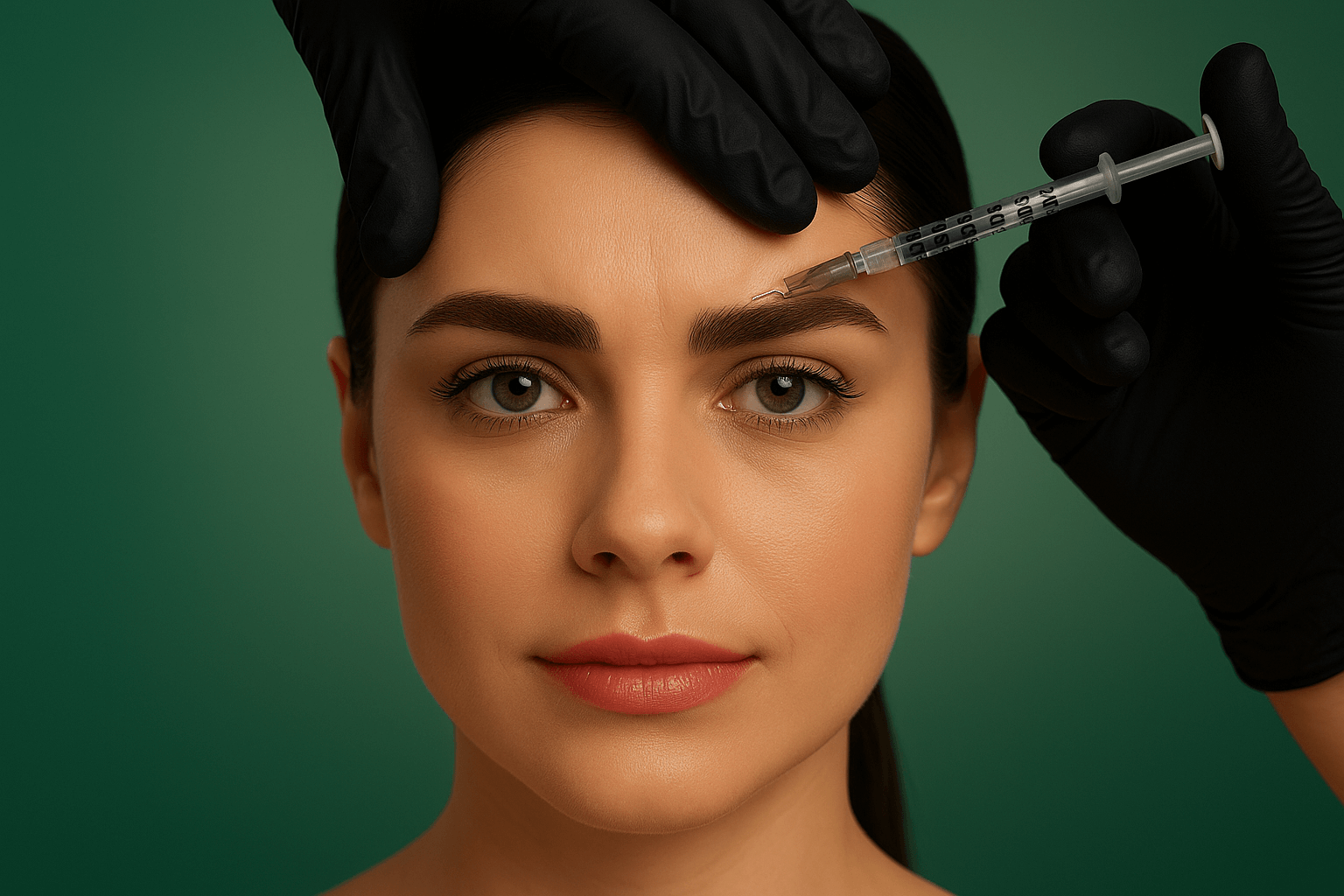
Please follow these instructions after receiving Botox injections:
1.Strictly avoid bending your head and neck downward for 4 hours.
2.For 24 hours, avoid massaging the injection sites and applying any creams or ointments to them.
3.Avoid washing your face for 4 hours after the injection.
4.For 4 hours after the injection, avoid lying down—even with your eyes open—and avoid closing your eyes, even while sitting.
5.Smoking cigarettes and using hookah may reduce the effectiveness of the medication.
6.Avoid steam baths, saunas, Jacuzzis, swimming pools, and exercise for 48 hours.
7.Starting one hour after the injection, repeatedly wrinkle your forehead and frown to help the medication absorb more effectively.
8.Before the injection, be sure to inform your treating physician about any medications you are taking.
Pre-Laser Care Instructions
1. Shave the hair completely so that no stubble or roughness can be felt.
2. If you have previously waxed or used epilation, at least 21 days must have passed since the3. At the time of your time of your appointment, the areas to be treated must be free of any products, such as body lotion, body spray, deodorant, or moisturizer.
Contraindications to Laser Treatment
1. If you are taking Roaccutane (isotretinoin), you cannot undergo laser treatment for two months.
2. If you have had significant sun exposure or used a tanning bed, you cannot undergo laser treatment for three months.
3. If you are currently undergoing chemotherapy or have a history of cancer, you should not undergo laser treatment.
Post-Laser Hair Removal Care
Whenever a treated area is exposed to sunlight, be sure to apply sunscreen.
1. Do not expose the treated areas to water for 4 hours after the procedure.
2. After 4 hours, you may take a lukewarm shower without using any cleanser.
3. Do not use cleansers for 24 hours after the laser treatment.
4. Do not use scented products, such as body spray, deodorant, lotion, or similar products, for 24 hours after the treatment.
5. Avoid exercise and any activity that causes sweating for 24 hours after the laser treatment.
6. Do not use a swimming pool, sauna, or Jacuzzi for 24 hours after the treatment.
7. Do not shave the treated areas under any circumstances for 14 days.
8. Inform your laser operator if you are taking any medication.
Pre-Facial Care Instructions
1. You may have a facial 3 days after facial hair removal.
2. You may have a facial 10 days after Botox injections.
3. At least two weeks must have passed since any dermal filler injection.
4. Do not wear any makeup when visiting wear a camis5. Be sure to wear a camisole or tank top underneath your clothing.
6. Make sure you have showered before your appointment.
Post-Facial Care Instructions
1. Disinfect anything that comes into contact with your face, such as your pillowcase, mobile phone, and similar items.
2. Do not wear makeup for two days.
3. Be sure to follow your regular skincare routine.
4. Do not apply any colored products, including tinted sunscreen, for two days.
5. Do not remove facial hair for one week after the facial.
6. Do not take a shower for 24 hours.
7. Do not let water come into contact with your face for 6 hours.